Art History
Art History studies human culture and history by examining diverse forms of visual expression. As a humanistic discipline, Art History teaches students to think critically and to develop oral and written communication skills. As a field of inquiry that takes works of visual art as its primary objects of study, Art History enhances a student's ability to analyze information presented in visual form, an increasingly valuable skill in today's image-saturated world.

Through historical analysis of works of art, students discover how human visual expression has responded to and embodied diverse aspects of human culture, reflecting and informing economic systems, religious practices, and political ideologies, to name only a few. In the process, students with a concentration in Art History gain a broad background in the humanities that not only develops their research and critical thinking skills, but also provides them with the knowledge necessary to contextualize and analyze diverse forms of information. Such skills provide a foundation for success in a variety of vocations, and students with a concentration in Art History from Kansas State University have gone on to pursue diverse careers, as well as graduate study in Art History, art conservation, and education.
B.A. Concentration in Art History
The Bachelor of Art degree allows for a less specialized, broader development in the arts. It is a degree used by students who wish to major in Art, as well as, another degree plan outside of Arts. The B.A. degree explores the humanities, sciences, languages and social sciences expansively. Students pursuing a general B.A. Art degree may specialize in art history or studio art. Students in the B.A. program complete the same foundations course work as the B.F.A. students however, B.A. students do not need to complete a portfolio review.
- B.A. in Art History Degree Info Flyer (Starting Fall 2026)
- B.A. in Art History Curriculum Guide (Starting Fall 2026)
- B.A. in Art History Curriculum Guide (Fall 2024- Spring 2026)
- Art History Concentration Courses
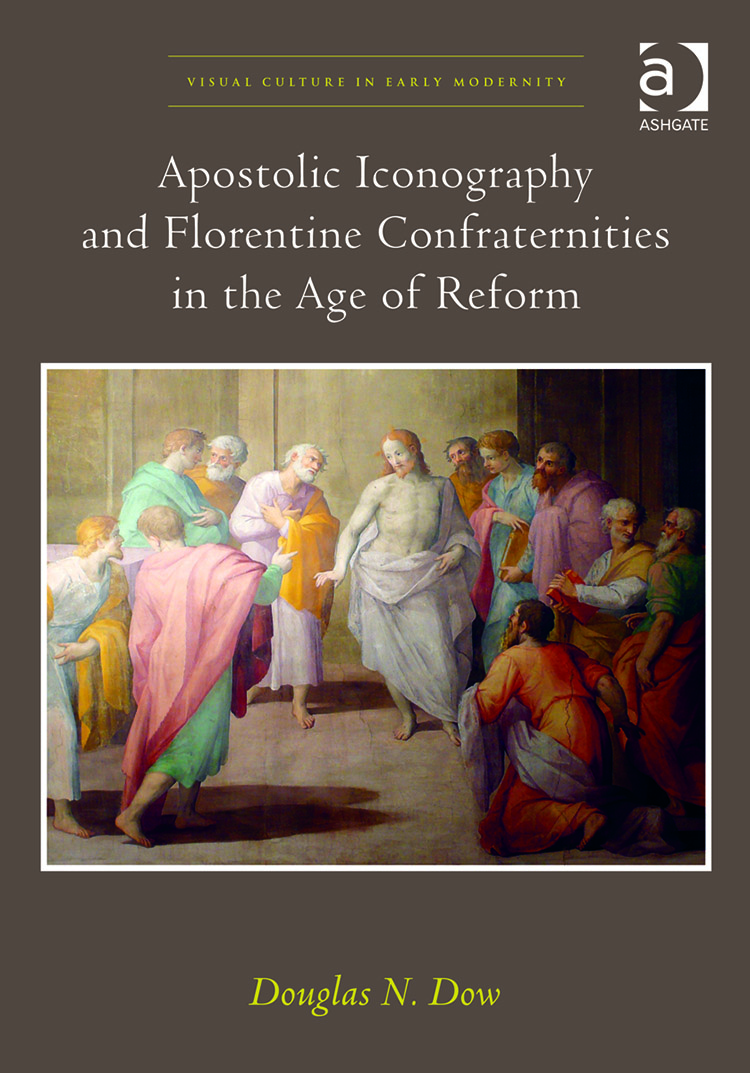 .
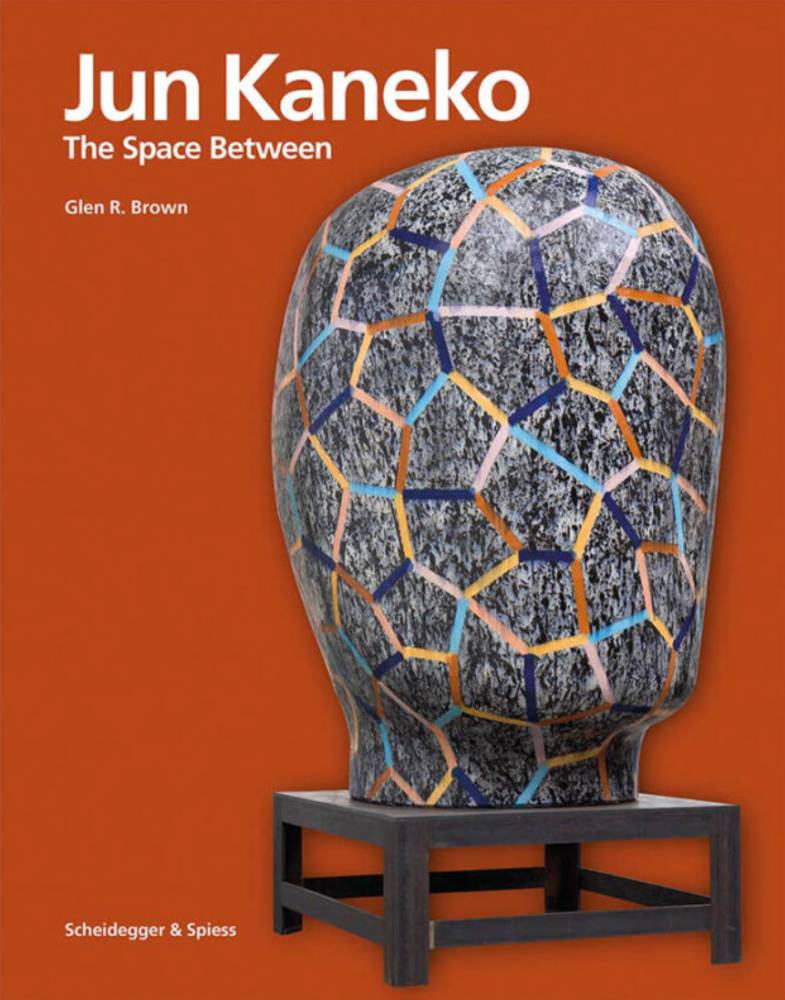
. 
Minor in Art History
Art History studies human culture and history by examining diverse forms of visual expression. As a humanistic discipline, Art History teaches students to think critically and to develop oral and written communication skills. As a field of inquiry that takes works of visual art as its primary objects of study, Art History enhances a student's ability to analyze information presented in visual form, an increasingly valuable skill in today's image-saturated world.
Update
The Art Department has restructured course requirements for the Art History Minor. The information listed below will initiate the semester of Fall 2026. If a student enrolled in the Art History Minor prior to the Fall 2026 semester, they will follow previous years requirements. Students should review their DARS report if they are unsure which requirements they should follow.
Requirements
Five courses from the list below, four of which must be above 100-level
Ready to Sign up?
Email earcher@k-state.edu and art@k-state.edu to add or drop an Art Minor. Requests must come from your K-State email account. Please include your Wildcat ID# and specify your Art Minor of interest (Studio Art, VCD, or Art History).
Do you need more information or have questions about classes? Please contact the Art Advisor.
Museum Studies Certificate
The certificate in Museum Studies is valuable for students in multiple disciplines (anthropology, history, art, the natural sciences, cultural heritage, architecture, education, etc.) who are considering a career in a museum or other institutions that seek to educate the public through interpretation, exhibition, and curation of material objects.
For more information visit Anthropology's Certificates page
Additional Resources
- Interested in studying abroad? Visit Education Abroad
Faculty
Dr. Glen Brown
Professor, Art History & Ceramics Criticgbrown@ksu.edu
Willard 307